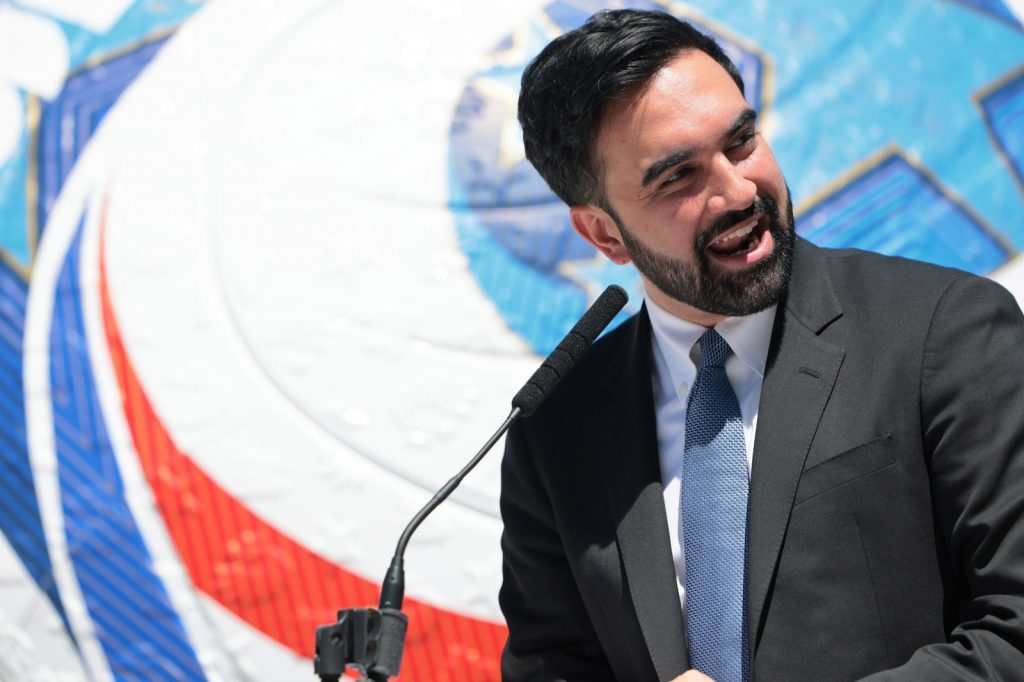
New York City Mayor Zohran Mamdani has secured 1,000 World Cup tickets priced at only $50 each after negotiating with FIFA President Gianni Infantino, marking a victory for his affordability agenda amid the tournament’s broader backlash over pricing.
The tickets will be distributed by ballot to New York City residents and split across five group-stage fixtures, a round-of-32 game, and a round-of-16 game, all of which will be played at MetLife Stadium in East Rutherford, New Jersey. Each ticket will cost $50 and includes free round-trip bus transportation to the stadium.
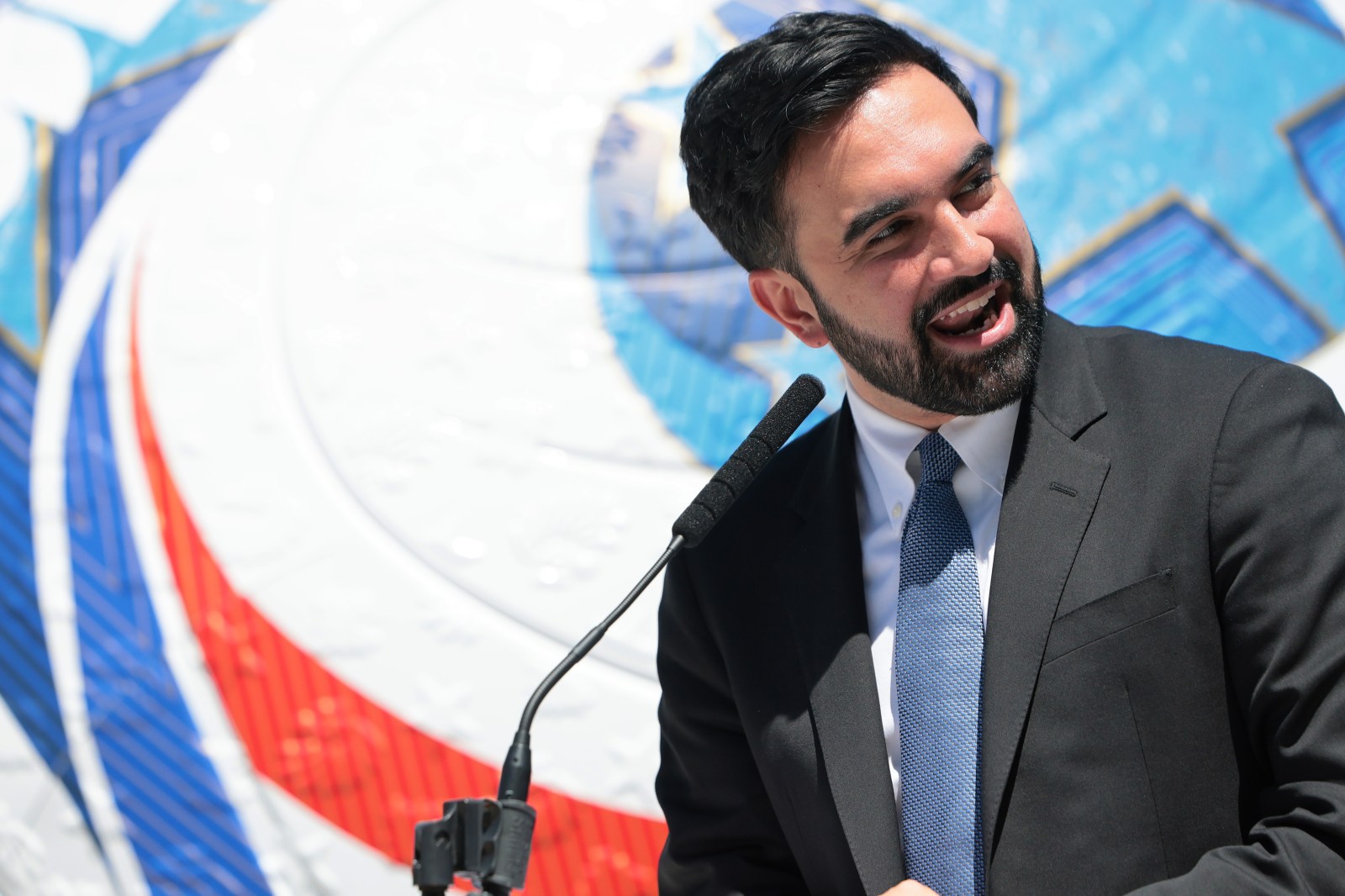
“We know that ticket prices for this tournament have soared into the thousands of dollars. There are countless New Yorkers who are desperate to attend the World Cup matches but who simply cannot afford to go,” Mamdani said at a press conference. “We are making sure that working people will not be priced out of the game that they helped create.”
How Mamdani Forced FIFA’s Hand on Pricing
FIFA initially rejected Mamdani’s campaign demands to lower ticket prices, cap resales and reserve 15 percent of tickets for local residents. But after taking office in January, Mamdani pursued a different strategy: direct negotiation with Infantino rather than public pressure.
In March, Mamdani met with Infantino at City Hall. FIFA was initially reluctant to allow the discounted tickets because the allocation came from the host committee’s purchase, and FIFA typically does not permit such allocations to be resold to the general public. It feared setting a precedent that would empower local politicians to create their own discount markets.
Mamdani avoided the public attacks that other New York and New Jersey politicians leveled at FIFA over pricing. Instead, he focused negotiations through the host committee structure, which controlled the ticket allocation.
How New Yorkers Can Get $50 Tickets
The lottery will open at 10 a.m. Monday, May 25, at REGNYCTIX.com, and runs for six days, with a maximum of 50,000 people able to enter per day. You have to be 15 or older to enter, and there’s just one entry per person. Randomly selected winners will be notified by email on June 3.
If selected, they got 48 hours to buy two $50 tickets. People can’t pick them up, though, until the day of the match—and that pick-up has to be in person.
The tickets will be evenly distributed among the five boroughs. Those buying tickets may be asked to verify their identity and residency through official IDs, pay stubs, rental or mortgage agreements, or recent utility bills. The tickets are non-transferable to deter scalpers.
Winners will also get free round-trip bus transportation to MetLife Stadium. About 150 tickets are allocated per game, split across five group-stage matches and two knockout-round matches. The final on July 19 is excluded.
Which Games Will Have $50 Tickets?
The program features European powerhouses (France, Germany, England) alongside South American contenders (Brazil, Ecuador) and the two top African teams (Senegal, Morocco). About 150 tickets are allocated per game, split across five group-stage matches and two knockout-round matches. The five group-stage games are:
- Saturday, June 13 at 6 p.m. ET: Brazil vs. Morocco (Group C)
- Tuesday, June 16 at 3 p.m. ET: France vs. Senegal (Group I)
- Monday, June 22 at 8 p.m. ET: Norway vs. Senegal (Group I)
- Thursday, June 25 at 4 p.m. ET: Ecuador vs. Germany (Group E)
- Saturday, June 27 at 5 p.m. ET: Panama vs. England (Group L)
The two knockout matches are a Round of 32 game on Tuesday, June 30 at 5 p.m. ET and a Round of 16 game on Sunday, July 5 at 4 p.m. ET.
World Cup 2026 Ticket Prices Draw Widespread Backlash
FIFA’s unprecedentedly high World Cup ticket prices have drawn criticism from fans and elected officials, with many concerned that local residents could be priced out of matches in their own region. For the first time in history, the organization announced it would use dynamic pricing, with the cheapest group-stage tickets costing $60 and the pricier tickets for the final setting fans back $6,730.
But the reality in secondary markets has made the crisis worse. The cheapest tickets on resale markets for all World Cup group-stage games were $553, according to the ticket analytics firm TicketData. The cheapest available ticket for the final was $7,734. Infantino has boasted publicly about the $11 billion in revenue FIFA will generate from this summer’s World Cup, even as affordability complaints mounted.
Some group-stage games are experiencing unexpected pricing spikes. Colombia vs. Portugal on June 27 has become the most expensive group-stage match, excluding games involving the three World Cup host nations. After FIFA announced the matchup, the cheapest tickets shot up to more than $2,000. On secondary markets, tickets start at $2,403, with an average price of around $4,113.
In an interview with the New York Post earlier this month, President Donald Trump addressed the $1,000 baseline price tag for the U.S. Men’s National Team’s opening match against Paraguay on June 12.
“I would certainly like to be there, but I wouldn’t pay it either, to be honest with you,” Trump said.
Infantino has defended the pricing model, citing examples in which they have said dynamic pricing has helped fans. At the 2023 Club World Cup, also held in the U.S., tickets for a semifinal between Chelsea and Fluminense dropped from $474 to just $13 within days.
World Cup Ticket Prices in Free Fall
Outside of marquee matchups, however, demand is collapsing. Resale prices for more than 90 percent of World Cup matches are dropping as demand slows and fans balk at sky-high ticket costs. According to TicketData, resale prices have dropped by roughly 24 percent over the past month and by about 8 percent in the last week alone. The average get-in price for a group-stage match peaked at $737 and is now down to $550.
Hotel Bookings Tank Across World Cup Host Cities
This sluggish demand has also been evident in the services sector, with hotels across host cities reporting that bookings continue to underwhelm.
The tournament was to deliver a tourism boom to businesses in host cities, but visa barriers, weaker international travel demand and especially high ticket prices have dampened expectations.
According to a recent survey of owners and operators by the American Hotel and Lodging Association (AHLA), 80 percent of those in U.S. host markets said bookings were “tracking below initial forecasts.” This figure rose to 85 percent to 90 percent in Kansas City, where demand is “trailing a typical June or July.”
AHLA noted that 65 percent to 70 percent of respondents cited visa barriers and “broader geopolitical concerns” as factors that were “significantly suppressing international demand.”
Trump’s Travel Bans and ICE Concerns Cloud World Cup Access
Four nations qualified for the tournament—Haiti, Iran, Senegal, and Côte d’Ivoire—face Trump administration travel bans that restrict entry for their nationals. Players, team officials and immediate family will receive visas, but most fans from these countries will be unable to attend World Cup matches in the United States.
Citizens from five World Cup-qualified countries—Algeria, Cabo Verde, Côte d’Ivoire, Senegal, and Tunisia—were required to pay visa bonds of up to $15,000 to travel temporarily to the U.S. The Trump administration waived the bonds for World Cup ticketholders.
An Ebola outbreak in the Democratic Republic of Congo raised questions about fan attendance. The CDC banned entry for foreign nationals who had been in DRC, Uganda or South Sudan within the past three weeks. While the Congolese World Cup team was exempted because they trained in Europe, most DRC fans face entry restrictions that will keep them from attending their team’s matches.
Rights groups have raised concerns about Immigration and Customs Enforcement (ICE) operations at World Cup venues. Homeland Security Secretary Markwayne Mullin defended the deployment, saying ICE and Homeland Security Investigations will focus on counterfeit tickets, human trafficking, drug smuggling and counterfeit products.
2026 World Cup Schedule: Key Dates, Kickoff Times
The tournament runs from June 11 to July 19, 2026, featuring 48 teams, 104 matches, and 16 stadiums spread across North America. The group stage runs from June 11 to June 27, with all 48 teams playing three matches each across 12 groups.
The opening match is Mexico vs. South Africa at Estadio Azteca in Mexico City at 3 p.m. ET on June 11. The knockout rounds begin with the round of 32, followed by the round of 16, four quarterfinals and two semifinals before the final.
The final is scheduled for July 19 at 3 p.m. ET at MetLife Stadium in East Rutherford, New Jersey.