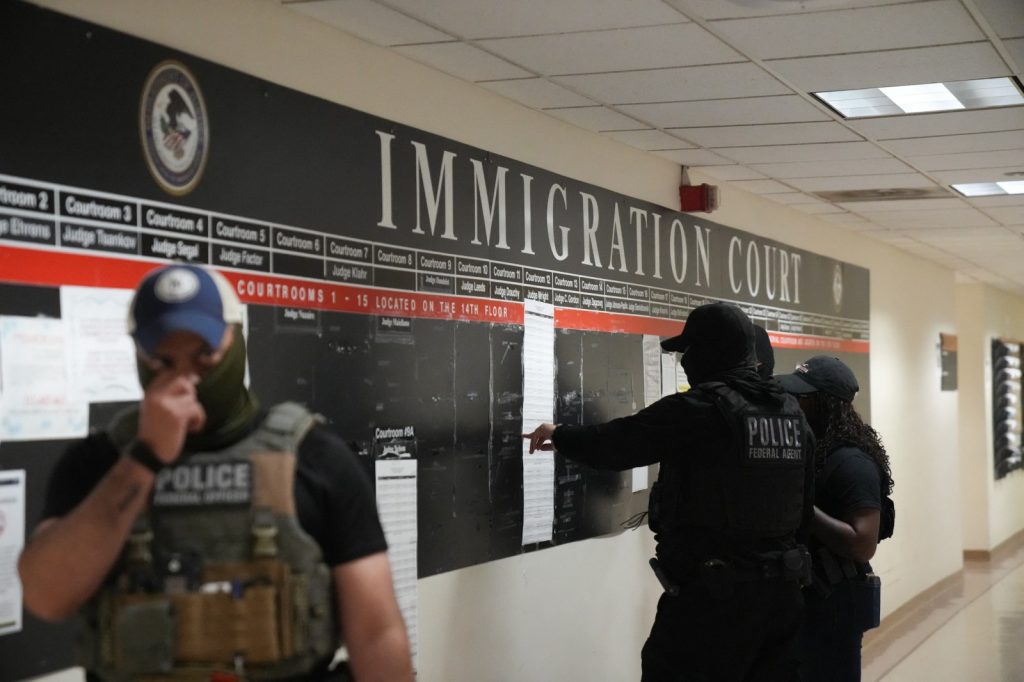
The Trump administration has sworn in more than 80 new immigration judges, marking the largest single class of adjudicators in the history of the U.S. immigration court system, according to the Department of Justice (DOJ).
As part of a federal hiring initiative, the Executive Office for Immigration Review (EOIR) administered the oath of office to 77 permanent and five temporary judges on Wednesday. This expansion brings the nation’s total number of immigration judges to nearly 700. The DOJ reported a record-breaking 153 permanent immigration bench appointments within the current fiscal year alone, pulling heavily from ranks of former Immigration and Customs Enforcement (ICE) attorneys, federal prosecutors, and other government counsel.
Why It Matters
The historic influx of personnel is central to the administration’s strategy to overhaul the immigration court system and facilitate its hardline enforcement agenda. Because formal removal orders from a judge are legally required before the government can deport most migrants, expanding court capacity is critical to accelerating the deportation pipeline.
The administration says the additional judicial resources will drastically reduce a systemic case backlog, which DOJ officials state dropped from roughly 4 million to 3.5 million following the resolution of over 1 million cases since early last year. While proponents say the expansion is necessary to restore efficiency, critics caution that prioritizing speed over due process risks compromising the equity of an already strained legal system.
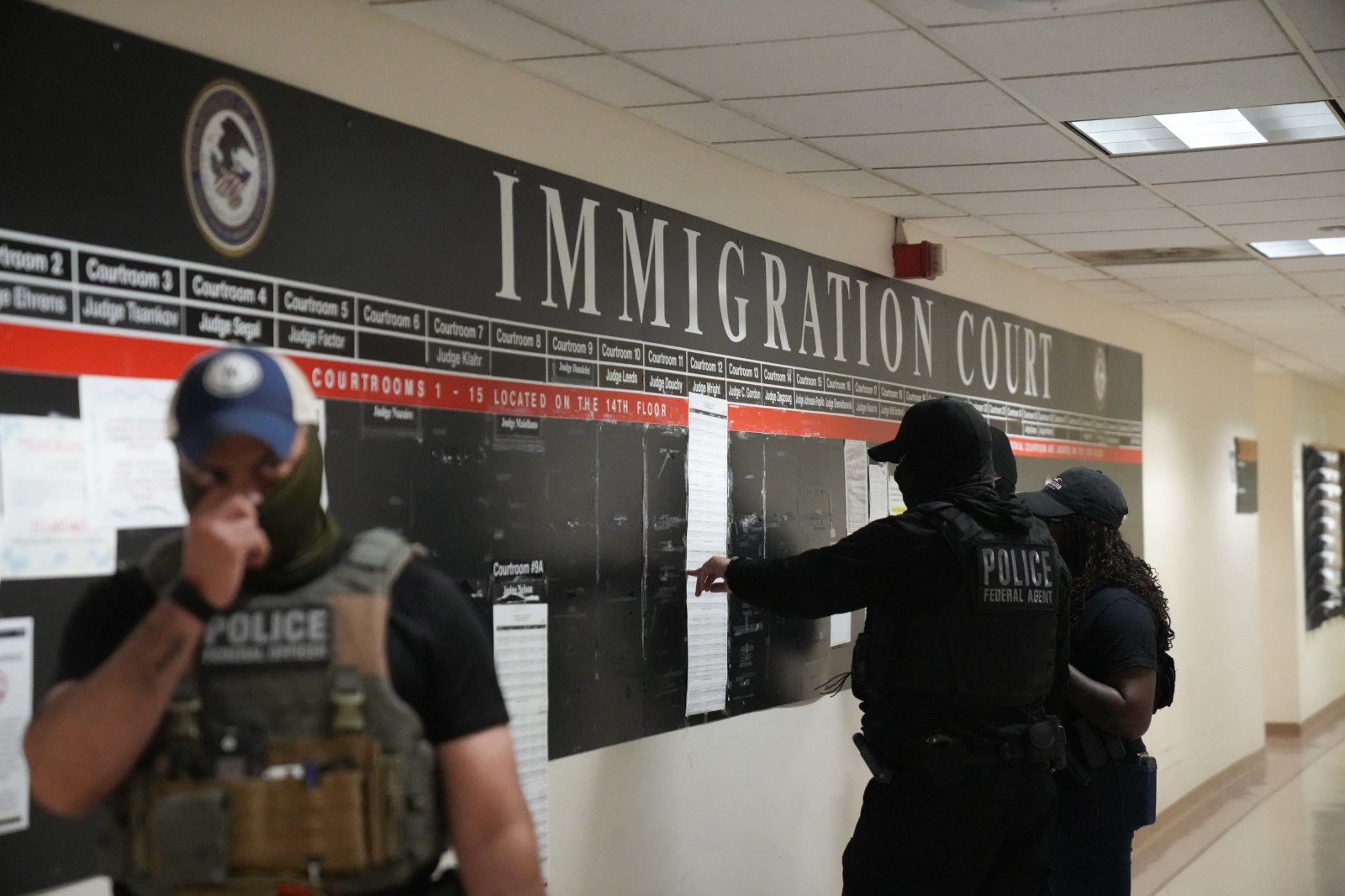
What to Know
Acting Attorney General Todd Blanche said that the White House “is committed to reestablishing an immigration judge corps that is dedicated to restoring the rule of law in our nation’s immigration system,” noting that the agency is onboarding the largest judicial class in its history to ramp up the pace of case adjudications.
While immigration judges operate under the EOIR rather than the independent federal judiciary, they are legally bound to serve as neutral arbiters in cases brought by government attorneys against noncitizens. However, legal scholars and advocacy groups express concern the pressure to rapidly clear millions of pending files could lead to rushed hearings, undermining the thorough evaluation of valid asylum and residency claims.
Redefining the Bench: From Arbiters to “Deportation Judges”
The administrative push goes beyond scaling headcount; it represents a fundamental ideological shift in how the roles are framed. The Trump administration has actively rebranded these positions in federal job listings, explicitly inviting applicants to become “deportation judges” and help “deliver justice to criminal illegal aliens.”
To attract candidate pools, recruitment materials advertised base salaries ranging from $159,951 to $207,500, alongside signing and retention incentives worth up to 25 percent of base pay in high-demand jurisdictions.
Judicial Turnover and Broader Institutional Backlogs
This sweeping recruitment drive follows an extensive systemic shakeup. According to an analysis by Reuters, the administration has ousted or pressured out more than 100 sitting immigration judges to make room for new appointments aligned with its policy directives.
Furthermore, the operational strain extends beyond the courtroom. While the EOIR handles formal removal proceedings, data from the American Immigration Council highlights a parallel crisis within U.S. Citizenship and Immigration Services (USCIS), where the broader administrative backlog has more than tripled over the past decade—surging from 3.5 million cases in late 2015 to roughly 11.6 million by mid-2025.
What Happens Next
The DOJ will continue fast-tracking court appointments to maximize daily case throughput. This rapid expansion of the immigration judiciary serves as the operational engine designed to fulfill President Trump’s core campaign pledge of executing large-scale, systematic mass deportations.